
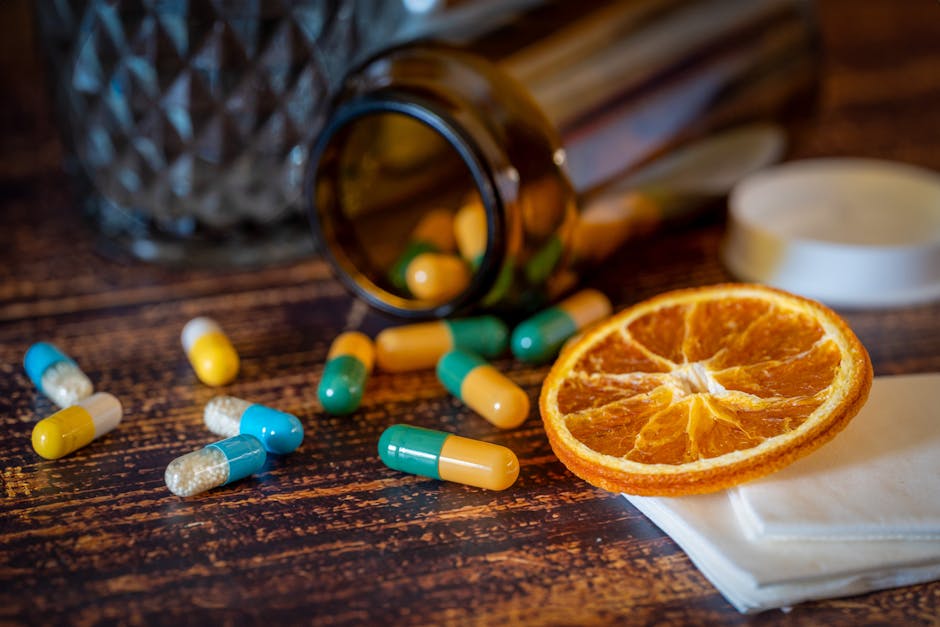
Your immune system is not a dial that can be turned up with one food, capsule, or seven-day “boost.” It is a coordinated network of physical barriers, cells, tissues, and signaling processes. The practical goal is to support normal immune function and reduce avoidable risks—not to push immunity into an undefined “higher” state.
This guide replaces miracle language with habits supported by public-health guidance. It is educational and does not provide treatment for infections, immune disorders, or persistent symptoms. See how HealthyCarry selects and verifies sources.
What the immune system actually includes
The immune system includes immediate, broadly acting defenses and highly specific adaptive responses. Skin and mucous membranes form barriers. Innate immune cells respond quickly to potential threats. Adaptive immune cells learn to recognize specific targets and form memory after infection or vaccination.
Because immune activity must be regulated, “stronger” is not always better. Allergies, chronic inflammation, and autoimmune conditions involve immune responses that are misdirected or poorly regulated. That is one reason responsible health guidance focuses on normal function and prevention rather than indiscriminate stimulation.
1. Keep recommended vaccinations current
Vaccination trains adaptive immune responses against specific pathogens without requiring the full risks of the disease itself. Recommendations depend on age, health conditions, pregnancy, occupation, travel, and previous vaccination history. Use the current CDC schedule and discuss individual questions with a qualified healthcare professional.
A supplement marketed for “immune defense” is not an alternative to a recommended vaccine. The two are not interchangeable interventions and should not be presented as if they provide equivalent evidence or protection.
2. Make sleep a health input, not leftover time
The CDC describes good sleep as essential for health and emotional well-being. Sleep need changes with age; for adults ages 18–60, the public-health recommendation is generally at least seven hours per night, while older age groups have their own ranges.
Useful sleep habits include maintaining a consistent schedule, keeping the bedroom quiet and cool, turning off electronic devices before bed, avoiding large meals and alcohol close to bedtime, limiting late caffeine, exercising regularly, and addressing persistent sleep problems with a healthcare professional.
Do not frame one short night as an immune emergency requiring a supplement. Focus on a repeatable sleep environment and seek assessment for ongoing insomnia, loud snoring, breathing interruptions, or excessive daytime sleepiness.
3. Build a varied, food-first eating pattern
Immune cells require energy, protein, vitamins, minerals, and other nutrients, but that does not make a megadose useful when intake is already adequate. A practical pattern emphasizes vegetables, fruit, whole grains, legumes, nuts or seeds, and appropriate sources of protein while limiting patterns dominated by highly processed foods.
Variety matters because no “superfood” provides every nutrient involved in normal immune function. Vitamin C from fruit does not cancel inadequate sleep; zinc does not replace protein and calories; and a powdered blend does not reproduce the full composition of a varied diet.
Food safety is part of immune protection
Wash hands and food-preparation surfaces, separate raw and ready-to-eat foods, cook foods to safe temperatures, and refrigerate perishable items promptly. People who are pregnant, older, immunocompromised, or living with certain conditions may need additional food-safety precautions.
4. Move regularly and recover appropriately
Regular physical activity supports cardiovascular, metabolic, musculoskeletal, and mental health. CDC guidance for adults combines aerobic activity with muscle-strengthening work, adapted to ability and health status. The most useful plan is one that can be maintained without ignoring pain, illness, or recovery.
Exercise should not be marketed as a way to guarantee that you will not get sick. It is one component of overall health. If you have fever, chest symptoms, significant fatigue, or a medical condition affecting exercise safety, seek appropriate guidance rather than forcing a workout for its supposed immune benefit.
5. Avoid tobacco and reduce harmful exposure
Smoking damages respiratory and cardiovascular health and exposes the body to substances that contribute to inflammation and disease. Avoiding tobacco and secondhand smoke is more consequential than adding an unproven “detox” product.
Use ventilation and appropriate protective measures for occupational exposures, and follow public-health guidance during outbreaks. Basic risk reduction is usually less marketable than a supplement stack, but it is more defensible.
6. Treat alcohol as a risk variable
Heavy or repeated excessive alcohol use can affect sleep, nutrition, judgment, and multiple organ systems. Do not use alcohol as a sleep aid: it can make falling asleep feel easier while reducing sleep quality later in the night. People who do not drink do not need to start for health reasons.
7. Use hygiene strategically
Wash hands at useful moments—before preparing food or eating, after using the restroom, after coughing or blowing your nose, and after contact with potentially contaminated surfaces. Cover coughs and sneezes, improve ventilation where appropriate, and stay home when illness and public-health guidance call for it.
“Supporting immunity” should include reducing exposure. It should not be reduced to trying to change the body’s response after preventable exposure has already occurred.
8. Address chronic conditions and persistent stress
Follow evidence-based care for diabetes, lung disease, cardiovascular conditions, and other diagnosed problems. Keep routine appointments and medication plans rather than substituting supplements. Persistent psychological stress can also disrupt sleep, activity, eating patterns, and substance use. Practical support may include structured routines, social connection, counseling, or clinical care.
Stress-management claims should remain realistic. Breathing exercises or a walk may help some people regulate stress; they do not treat every mental-health condition or immune disorder.
9. Use supplements to solve a defined problem
A supplement may help meet a nutrient requirement when food intake is insufficient, absorption is impaired, a deficiency is diagnosed, or a clinician recommends it for a specific circumstance. That is different from taking a large combination of products “just in case.”
The FDA warns that supplements can interact with medications, interfere with laboratory tests, create risks around surgery, and cause adverse effects when combined or taken in excessive amounts. Dietary supplements are not approved for safety and effectiveness before sale in the same way as new drugs.
Vitamin D
Vitamin D participates in normal immune function and is essential for calcium metabolism and bone health. Evidence that supplementation prevents broad categories of infection in already well-nourished people is not a license for universal high-dose use. Review our vitamin D buying guide for label and safety context.
Vitamin C
Vitamin C is an essential nutrient found in many fruits and vegetables. A supplement can fill an intake gap, but it should not be described as a guaranteed way to prevent illness. Large amounts can produce adverse effects and are not a replacement for a varied diet.
Zinc
Zinc is required for normal immune function, and deficiency matters. More is not automatically better. Products differ in form, amount, route, and intended use; long-term excessive intake can create additional nutritional problems. Ask a clinician or pharmacist before combining zinc products or using them alongside medication.
10. Know when “wellness advice” is not enough
Seek appropriate medical care for difficulty breathing, chest pain, confusion, dehydration, a severe allergic reaction, symptoms that are rapidly worsening, or other urgent warning signs. Persistent or unusually frequent infections, unexplained fever, unintended weight loss, or prolonged fatigue also deserve assessment rather than an expanding supplement stack.
People with an immune deficiency, autoimmune disease, cancer treatment, transplant history, pregnancy, or immune-suppressing medication need individualized guidance. Generic “immune boosting” advice may be inappropriate in these settings.
A realistic weekly checklist
- Check whether recommended vaccinations and preventive appointments are current.
- Protect a consistent sleep window on most nights.
- Plan varied meals with vegetables, fruit, protein sources, and fiber-rich foods.
- Accumulate regular movement and include strength work appropriate to your ability.
- Avoid tobacco and reduce exposure to secondhand smoke.
- Use hand hygiene and food-safety practices at the moments they matter.
- Review supplements and medications together with a clinician or pharmacist.
Frequently asked questions
Can I boost my immune system quickly?
There is no responsible evidence-based method for rapidly turning the entire immune system “up.” Specific interventions, such as vaccination, produce targeted immune learning. Everyday habits support health over time rather than creating instant invulnerability.
Which food is best for immunity?
No single food is best. A varied eating pattern is more useful than ranking one fruit, spice, or beverage as an immune solution.
Do I need an immune supplement every winter?
Not automatically. Need depends on diet, health status, medications, diagnosed deficiencies, and professional guidance. Seasonal marketing is not proof of personal need.
Does getting sick mean my immune system is weak?
No. Exposure level, the specific pathogen, vaccination history, age, and many other factors affect infection. Frequent, severe, unusual, or persistent infections should be discussed with a healthcare professional rather than self-diagnosed.
Primary sources
- National Institute of Allergy and Infectious Diseases: Overview of the Immune System
- Centers for Disease Control and Prevention: About Sleep
- Centers for Disease Control and Prevention: About Physical Activity
- Centers for Disease Control and Prevention: Recommended Vaccines for Adults
- US Food and Drug Administration: FDA 101—Dietary Supplements
- NIH Office of Dietary Supplements: Vitamin D Fact Sheet
Last evidence review: June 23, 2026. HealthyCarry will update this guide when material CDC, NIH, or FDA guidance changes. Read our Editorial Policy for correction and update standards.
