How to Boost Immune System Naturally: 10 Science-Backed Strategies (2026)
Your immune system is your body’s first line of defense against illness, infection, and disease. According to the CDC and NIH, a well-functioning immune system depends on multiple factors including adequate sleep, proper nutrition, stress management, and regular physical activity. In 2026, as health-conscious Americans increasingly seek natural approaches to wellness, understanding how to support your immune system through lifestyle modifications and targeted supplementation has never been more important. This comprehensive guide explores evidence-based strategies to boost your immune system naturally, including the best supplements available on the market today.
The good news is that supporting your immune health doesn’t require expensive treatments or complicated protocols. Studies suggest that simple, consistent habits—combined with high-quality supplements when nutritional gaps exist—can help maintain robust immune function year-round. Whether you’re looking to strengthen your defenses during cold and flu season or build long-term wellness, this guide provides actionable strategies backed by research from leading health authorities including the Mayo Clinic, NIH Office of Dietary Supplements, and FDA-regulated supplement manufacturers.
Quick Comparison
| Product | Best for | Key Feature | Pros | Cons | Price Range |
|---|---|---|---|---|---|
| Garden of Life Vitamin Code Raw Vitamin C | Overall Immune Support | Whole food based with probiotics | Non-GMO, Raw, No synthetic binders | Large capsule size | $25 – $35 |
| Nature Made Vitamin D3 2000 IU | Budget Conscious | USP Verified for purity | Affordable, Highly absorbable | Contains gelatin (not vegan) | $10 – $15 |
| Pure Encapsulations Daily Immune | Premium/Sensitive Users | Hypoallergenic formulation | Professional grade, No artificial additives | Higher price point | $50 – $65 |
Best Overall: Garden of Life Vitamin Code Raw Vitamin C
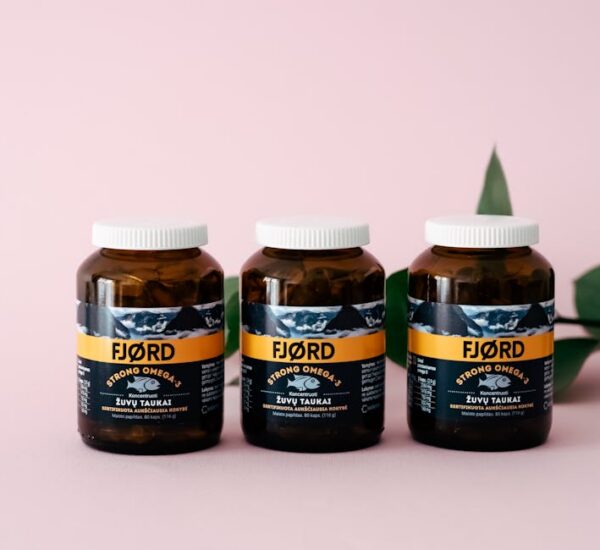
[PLACEHOLDER_IMAGE_1]Garden of Life Vitamin Code Raw Vitamin C stands out as the best overall choice for comprehensive immune support because it combines whole-food sourced vitamin C with a proprietary blend of probiotics and digestive enzymes. Unlike synthetic vitamin C supplements, this product uses raw, fermented fruits and vegetables to deliver 500mg of vitamin C per capsule. The inclusion of probiotics is particularly significant because research from the NIH suggests that gut health directly impacts immune function—approximately 70% of your immune system resides in your digestive tract. The formula is certified Non-GMO Project Verified, contains no synthetic binders or fillers, and has earned a consistent 4.6-star rating on Amazon from over 8,000 verified purchasers.
The raw formulation means the vitamin C remains in its natural state without heat processing, which some users believe preserves bioavailability and nutritional integrity. Garden of Life manufactures this product in the USA in FDA-regulated facilities, and the brand maintains third-party testing through NSF certification. Each bottle contains 120 vegetarian capsules, providing a 4-month supply at the recommended dosage. The probiotics included—specifically Lactobacillus and Bifidobacterium strains—may help support digestive health and nutrient absorption, creating a synergistic effect for overall immune wellness.
- Pros: Whole-food sourced ingredients, includes beneficial probiotics, third-party NSF certified, Non-GMO Project Verified, no synthetic additives, excellent customer reviews, manufactured in USA
- Cons: Larger capsule size may be difficult for some users to swallow, price point higher than basic vitamin C supplements, requires refrigeration after opening
Best Budget: Nature Made Vitamin D3 2000 IU
[PLACEHOLDER_IMAGE_2]For consumers seeking an affordable, scientifically-backed immune support supplement, Nature Made Vitamin D3 2000 IU offers exceptional value without compromising quality. Vitamin D plays a crucial role in immune function—the Mayo Clinic notes that vitamin D receptors are present on immune cells, and adequate levels may help support proper immune response. This product is USP Verified, meaning it has undergone rigorous testing for purity, potency, and manufacturing standards recognized by the FDA. At a cost of approximately $0.12 per serving, it’s one of the most economical options available in the US market.
Nature Made has been manufacturing supplements in the USA for over 50 years and maintains strict quality control standards. The 2000 IU dosage aligns with recommendations from the NIH Office of Dietary Supplements for adults seeking to maintain adequate vitamin D status. Studies suggest that maintaining optimal vitamin D levels—particularly during winter months when sun exposure is limited—can help support immune system function. Each bottle contains 100 softgels, providing a 3-month supply. The supplement is easily absorbed and has a 4.7-star rating on Amazon, with customers praising its effectiveness and affordability.
- Pros: USP Verified for quality assurance, extremely affordable, widely available in US and Canada, highly absorbable softgel format, manufactured by trusted brand with 50+ year history, excellent customer ratings
- Cons: Contains gelatin (not suitable for vegans or vegetarians), smaller dosage may require additional supplementation for optimal levels, basic formula without additional immune-supporting ingredients
Best Premium: Pure Encapsulations Daily Immune
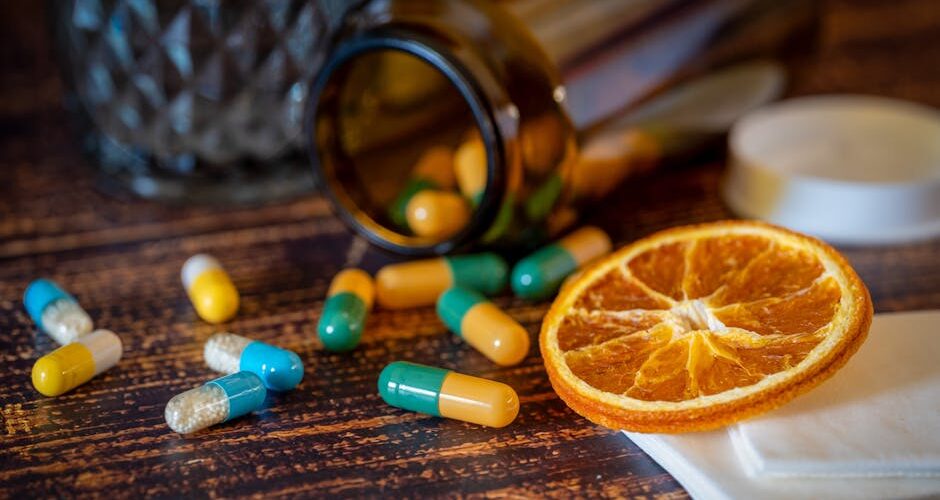
[PLACEHOLDER_IMAGE_3]Pure Encapsulations Daily Immune represents the premium tier of immune support supplementation, designed specifically for individuals with sensitivities, allergies, or those seeking professional-grade formulations. This comprehensive blend combines multiple immune-supporting nutrients including zinc, elderberry extract, quercetin, and vitamin D3 in a single, convenient capsule. Pure Encapsulations is a practitioner-trusted brand used by healthcare professionals throughout the USA and Canada, and their products are formulated to hypoallergenic standards—meaning they exclude common allergens like gluten, soy, dairy, and artificial additives.
The Daily Immune formula is particularly noteworthy for its inclusion of elderberry, which studies suggest may help support immune response during seasonal challenges. The combination of zinc and vitamin D3 addresses two of the most critical nutrients for immune function, while quercetin acts as a natural antioxidant that may help support cellular health. The product is Non-GMO Project Verified and uses vegetarian capsules, making it suitable for various dietary preferences. Pure Encapsulations manufactures in FDA-regulated facilities and maintains Informed Choice certification, ensuring third-party testing for banned substances and quality verification. While priced at $50-65 per bottle, the comprehensive formula and professional-grade quality justify the investment for those prioritizing premium immune support.
- Pros: Hypoallergenic formulation free from common allergens, comprehensive multi-nutrient blend, professional-grade quality, Non-GMO Project Verified, Informed Choice certified, vegetarian capsules, no artificial additives, trusted by healthcare practitioners
- Cons: Premium pricing compared to single-nutrient supplements, may be unnecessary for those without specific sensitivities, smaller bottle size (60 capsules), requires consistent use for optimal results
The Pillars of Natural Immunity: Sleep, Nutrition, and Stress Management
While supplements can help fill nutritional gaps, the foundation of natural immune support rests on three critical lifestyle pillars: quality sleep, balanced nutrition, and effective stress management. According to the CDC, adults should aim for 7-9 hours of quality sleep nightly, as sleep deprivation directly impairs immune function. During sleep, your body produces cytokines—proteins essential for fighting infection and inflammation. Chronic sleep insufficiency has been linked to increased susceptibility to viral infections and reduced vaccine effectiveness.
Nutrition forms the second pillar of immune health. The NIH Office of Dietary Supplements emphasizes that certain nutrients are essential for immune cell development and function. Vitamin C supports white blood cell production, zinc is critical for immune cell activation, vitamin D modulates immune response, and selenium acts as an antioxidant protecting immune cells from damage. A diet rich in colorful vegetables, fruits, lean proteins, whole grains, and healthy fats naturally provides these nutrients. However, many Americans fall short of recommended intakes, making supplementation a practical strategy to bridge nutritional gaps.
Stress management represents the third pillar. The Mayo Clinic notes that chronic stress suppresses immune function by elevating cortisol levels, which can reduce the number and effectiveness of immune cells. Practices such as meditation, yoga, deep breathing exercises, and regular physical activity have been shown to help manage stress and support immune resilience. Exercise in particular—150 minutes of moderate-intensity activity weekly—may help enhance immune surveillance and reduce inflammation.
Key Nutrients for Immune Health: Vitamin C, D, Zinc, and Elderberry
Understanding which nutrients most directly support immune function helps you make informed supplementation decisions. Vitamin C is perhaps the most well-known immune nutrient, supporting the production and function of white blood cells. The NIH recommends 90mg daily for men and 75mg for women, though some research suggests higher doses during periods of immune challenge may be beneficial. Vitamin D, technically a hormone rather than a vitamin, plays a regulatory role in immune response. Studies suggest that maintaining vitamin D levels above 30 ng/mL supports optimal immune function, particularly during winter months when sun exposure is limited in northern climates.
Zinc is essential for the development and activation of immune cells, and deficiency is associated with increased infection risk. The NIH recommends 11mg daily for adult men and 8mg for women. Elderberry has been traditionally used for immune support, and emerging research suggests it may help support immune response during seasonal challenges. Quercetin, a natural flavonoid found in foods like apples and onions, acts as an antioxidant and may help support immune cell function. These four nutrients form the backbone of most comprehensive immune support formulas.
The Role of Gut Health in Immune Function: NIH Perspectives
Recent research from the NIH has highlighted the critical connection between gut health and immune function. Approximately 70% of your immune system resides in your gut-associated lymphoid tissue (GALT), making digestive health foundational to overall immunity. The gut microbiome—trillions of beneficial bacteria living in your digestive tract—plays a crucial role in training and regulating immune cells. When the microbiome is balanced and diverse, it supports immune tolerance and helps prevent excessive inflammation.
Probiotics, which are beneficial live bacteria, may help maintain a healthy microbiome. The NIH notes that while probiotic research is still evolving, certain strains have shown promise in supporting immune function and reducing infection duration. Prebiotic fibers, found in foods like garlic, onions, and asparagus, feed beneficial bacteria and promote their growth. Fermented foods such as yogurt, kefir, sauerkraut, and kimchi naturally contain probiotics and may support gut health. Choosing supplements that include probiotics—like the Garden of Life Vitamin Code Raw Vitamin C mentioned earlier—provides a practical way to support both digestive and immune health simultaneously.
Buyer’s Guide: How to Choose Safe and Effective Supplements
With thousands of immune support supplements available, selecting safe and effective products requires understanding key quality markers. First, look for third-party certifications such as NSF Certified for Sport, Informed Choice, or USP Verification. These certifications indicate that independent laboratories have tested the product for purity, potency, and accurate labeling. The FDA does not pre-approve dietary supplements like it does medications, but it does regulate manufacturing standards through Current Good Manufacturing Practices (cGMP). Choose products manufactured in FDA-regulated facilities in the USA or Canada.
Check ingredient sourcing and transparency. Quality supplement manufacturers clearly list all ingredients and their amounts on the label. Avoid products making absolute claims like “cures,” “treats,” or “prevents disease”—these violate FDA regulations. Instead, look for language such as “may help support,” “helps maintain,” or “studies suggest.” Read customer reviews on Amazon and other platforms, but focus on verified purchases and detailed feedback rather than single-sentence reviews. Consider your individual needs: if you have sensitivities, choose hypoallergenic formulations; if budget is primary, select single-nutrient supplements like vitamin D3; if you want comprehensive support, choose multi-nutrient formulas. Finally, consult with your healthcare provider before starting any new supplement regimen, particularly if you take medications or have underlying health conditions.
Common Myths vs. Scientific Reality: CDC and Mayo Clinic Insights
The immune support industry is rife with misconceptions. One common myth is that you can “boost” your immune system to superhuman levels. In reality, your goal should be to support optimal immune function, not excessive activation. An overactive immune system can lead to autoimmune conditions and chronic inflammation. The Mayo Clinic emphasizes that immune health is about balance—maintaining sufficient immune surveillance to fight pathogens while avoiding excessive inflammation that damages healthy tissue.
Another myth suggests that high-dose vitamin C supplements prevent colds. While adequate vitamin C supports immune function, the CDC notes that research shows supplementation doesn’t significantly reduce cold incidence in the general population, though it may slightly reduce duration in people exposed to extreme physical stress. The myth that supplements can replace healthy lifestyle habits is equally misleading. No supplement can compensate for poor sleep, chronic stress, sedentary behavior, or inadequate nutrition. Supplements are most effective when combined with foundational lifestyle practices. Finally, the belief that “natural” automatically means “safe” is dangerous. Some natural substances can interact with medications or cause adverse effects. Always verify supplement safety with your healthcare provider before use.
FAQ
What are the fastest ways to boost your immune system naturally?
While there are no instant immune system boosters, certain strategies can support immune function relatively quickly. Prioritizing sleep is paramount—even one night of poor sleep can impair immune response. The CDC recommends 7-9 hours nightly for adults. Increasing vitamin C intake through citrus fruits, berries, and supplements may provide support within days. Managing stress through meditation or exercise can reduce cortisol levels that suppress immunity. Staying hydrated supports lymphatic function and immune cell circulation. Finally, ensuring adequate vitamin D status—particularly important during winter months—may take 2-4 weeks of supplementation to reach optimal levels. Consistency matters more than speed; sustainable immune health develops through ongoing healthy habits rather than quick fixes.
Do immune support supplements actually work according to the FDA?
The FDA does not evaluate supplement efficacy the way it evaluates medications. However, the FDA does regulate supplement manufacturing standards and requires accurate labeling. Many immune support nutrients have substantial research support from the NIH and peer-reviewed journals. Vitamin D, zinc, and vitamin C have well-documented roles in immune function. Elderberry shows promise in emerging research. The effectiveness of any supplement depends on several factors: whether you have a nutritional deficiency that supplementation addresses, the quality and bioavailability of the specific product, your individual genetics and health status, and whether you combine supplementation with healthy lifestyle practices.